
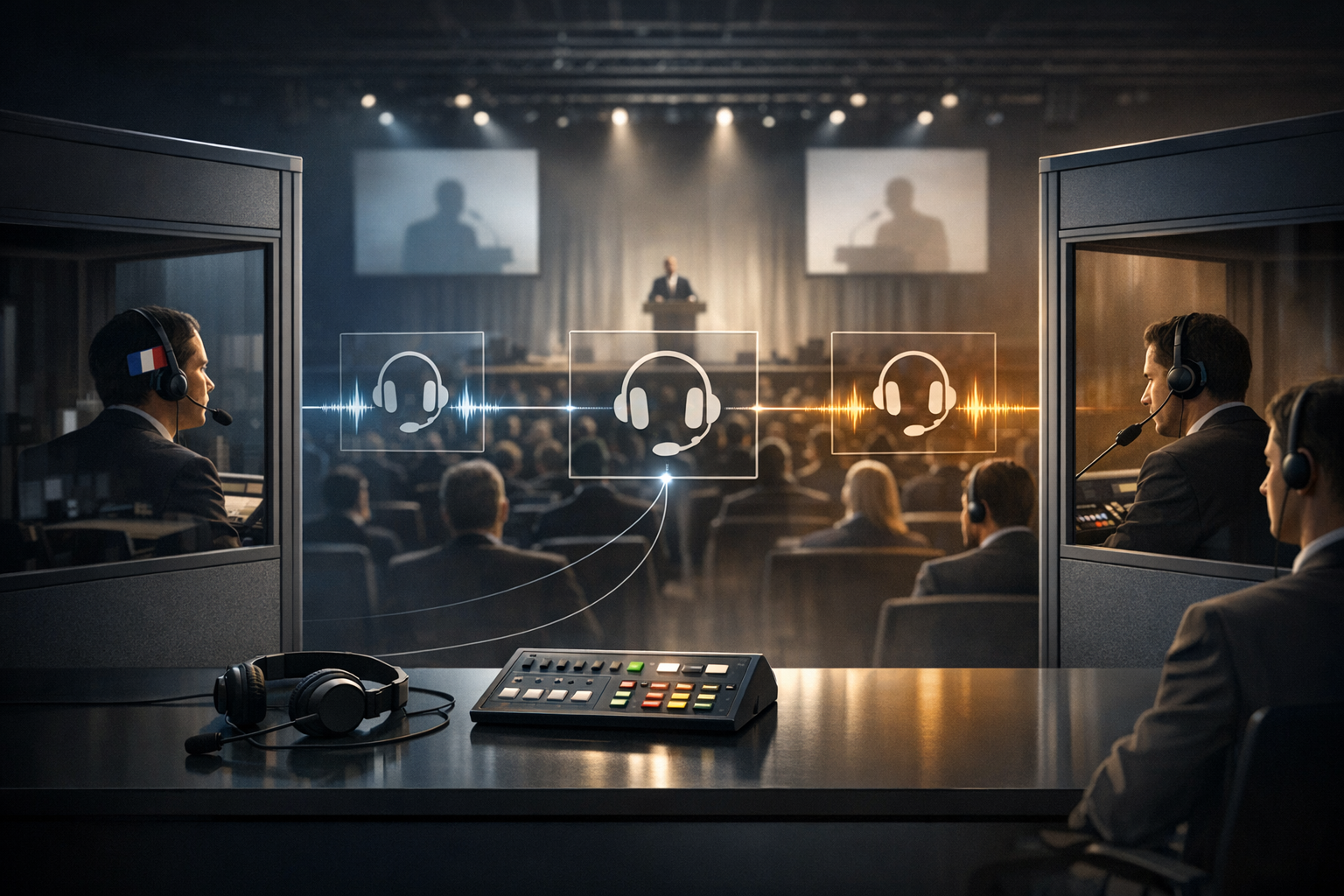
In a world racing to automate every communication task, professional interpreters remain irreplaceable at the highest levels of business, diplomacy, healthcare, and law. While language models and translation apps can certainly assist with basic exchanges, they still fall short when conversations become nuanced, high‑stakes, or deeply human. This is where trained interpreters step in, bridging far more than vocabulary gaps—they manage culture, emotion, risk, and relationships in ways no current tool can match.
1. Understanding Context Beyond Words
Human interpreters don’t just convert words; they interpret meaning in context. They listen for tone, status dynamics, setting, and unspoken intent. For example, a sarcastic remark, a veiled criticism, or a culturally sensitive joke may need to be softened, restructured, or contextualized so it lands correctly with the listener. Software may translate the sentence literally, but it cannot reliably judge when that version will be perceived as rude, inappropriate, or confusing.
Interpreters are trained to read entire communicative situations—who is speaking to whom, what the power imbalance is, what the objective of the meeting is, and what each party is trying to achieve. In high‑level negotiations or medical consultations, they adjust phrasing in real time so that outcomes stay positive and productive rather than derailed by preventable misunderstandings.
2. Handling Culturally Sensitive Communication
Cultures differ dramatically in how they express disagreement, give feedback, show respect, and discuss taboo topics. Professional interpreters are cultural mediators: they anticipate what might be offensive, awkward, or misunderstood and adapt messages so they remain accurate but culturally acceptable.
This level of cultural intelligence mirrors the way expert SEO strategists build trust signals through carefully chosen words, references, and quality backlinks that resonate with both users and search algorithms. In human communication, interpreters play a similar trust‑building role, ensuring that every phrase supports the relationship, not just the literal message.
3. Managing Emotion and High‑Stakes Situations
In medical emergencies, asylum hearings, crisis negotiations, or legal proceedings, the emotional stakes are enormous. Interpreters regularly work with people who are frightened, angry, grieving, or under tremendous stress. They must balance accuracy with compassion, maintaining a calm presence that helps both parties communicate clearly.
Machines cannot yet perceive subtle emotional states, nor can they respond empathetically. An interpreter can slow down, reassure a patient, or signal to the primary speaker that the listener needs a moment. This human touch can change the outcome of a conversation—whether it’s a life‑or‑death decision in a hospital or a critical choice in a courtroom.
4. Clarifying Ambiguity in Real Time
Real conversations are messy. People trail off, change course mid‑sentence, misuse words, or reference things that only make sense in the room. A professional interpreter can immediately ask for clarification, confirm terminology, or request repetition to avoid errors. They can also discreetly flag when something seems inconsistent or potentially misunderstood.
Automated tools typically process whatever input they receive without questioning it. If the speaker uses a wrong medical term or an obscure legal expression, the system won’t challenge it. Interpreters, in contrast, can pause the flow briefly to safeguard accuracy, thereby preserving trust and preventing costly or dangerous mistakes.
5. Navigating Specialized Terminology and Jargon
Legal, medical, technical, and financial interpreting require much more than general language fluency. Interpreters spend years building precise, domain‑specific vocabularies in multiple languages. They stay updated on new regulations, medical procedures, technologies, and industry terms so they can accurately express highly specialized concepts on the spot.
Even with large datasets, automated systems still mix literal translations with incorrect jargon, especially when technical terms overlap with everyday language. A professional interpreter knows when a word is being used in its specialized sense and can quickly choose the right equivalent for that field, thereby avoiding misunderstandings that could lead to legal liability or patient harm.
6. Adapting Style to Match Brand, Role, or Setting
Interpreters don’t speak in a vacuum—they consciously match the tone, level of formality, and communication style of the original speaker. A CEO addressing investors requires different language than a social worker talking with a family, even if they are saying something similar in content. Interpreters maintain that alignment in real time.
This stylistic calibration is essential for preserving authority, warmth, or neutrality as needed. A misjudged tone—too casual, too stiff, or too direct—can damage a relationship or weaken a message. Interpreters maintain consistency of persona and voice, which is crucial in fields like diplomacy, brand communication, and international presentations.
7. Taking Ethical Responsibility for Accuracy
Professional interpreters follow strict ethical codes that emphasize impartiality, confidentiality, and accountability. They are trained to avoid adding their own opinions, to protect sensitive information, and to maintain neutrality even in emotionally charged settings. If they make a mistake, they can consciously correct it and take responsibility.
Automated tools, on the other hand, offer no true accountability or ethical judgment. They cannot decide when to insist on clarification, when to refuse a task due to conflict of interest, or how to handle confidential information responsibly. Human interpreters bring a layer of ethical oversight that is especially vital in legal, medical, and governmental contexts.
8. Coordinating Group Dynamics and Turn‑Taking
In multilingual meetings, conferences, or negotiations, it’s not enough to simply convert speech from one language to another. Interpreters manage turn‑taking, signal when someone is speaking too fast, and coordinate with multiple parties so that everyone is heard. They can adjust the flow of conversation to ensure clarity and fairness.
Group dynamics—interruptions, side comments, shifting topics—are still difficult for technology to handle without chaos. Interpreters act as live communication managers, keeping the conversation structured and efficient while preserving equal participation among speakers.
Why Human Interpreters Still Matter
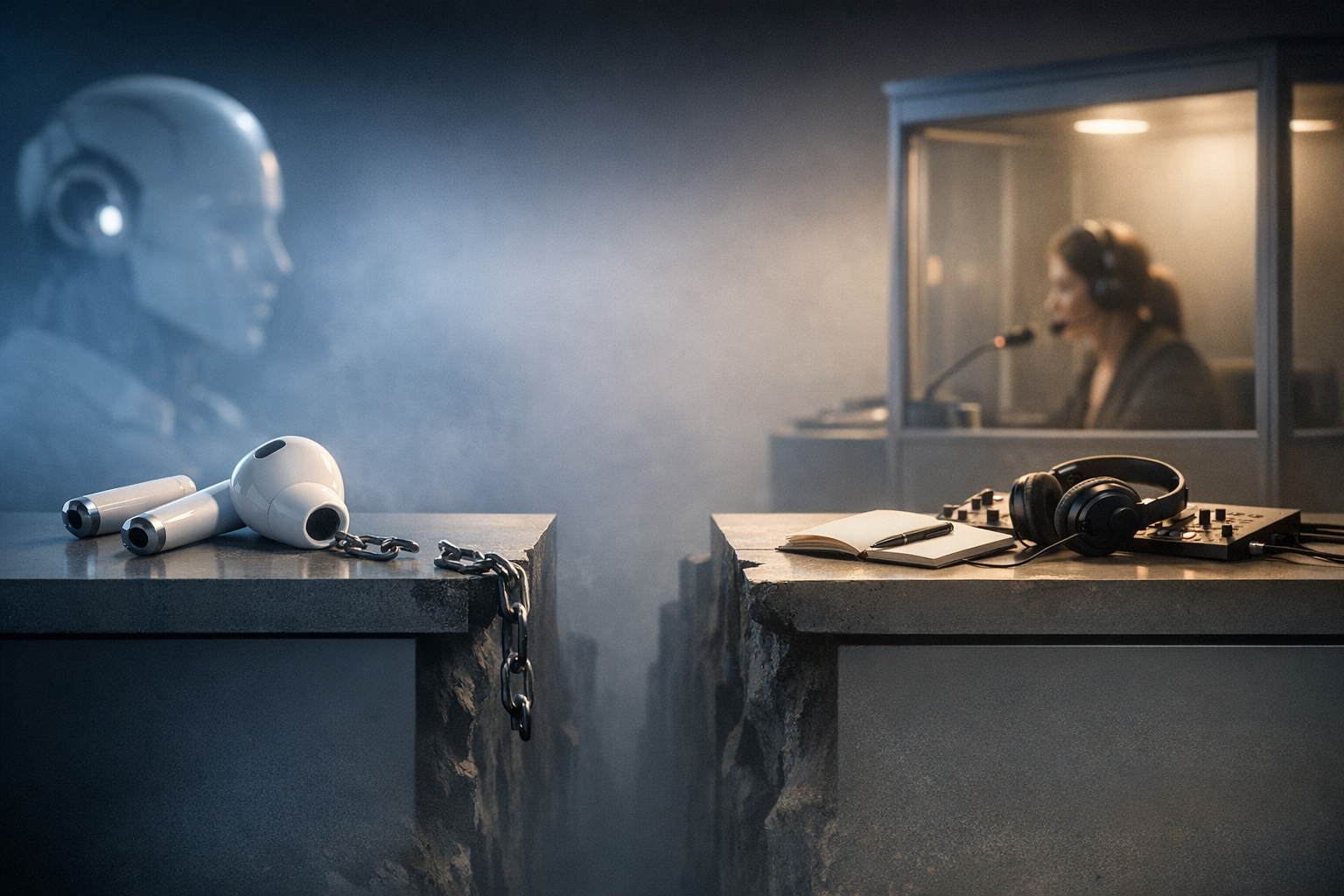
No matter how advanced language technology becomes, professional interpreters remain essential wherever precision, nuance, and human judgment are required. They do far more than exchange words between languages: they protect relationships, reduce risk, and ensure that complex ideas and emotions cross linguistic boundaries intact.
For organizations operating globally, investing in skilled interpreters is an investment in clarity, trust, and long‑term success. Machines can assist, but only human professionals can fully understand the stakes, read the room, and carry the true weight of meaning from one language—and one culture—to another.
Most Read


Featured Posts