A conference organiser in London books a two day trade meeting and decides at the last minute to move the interpreters from the venue to a remote platform and then discovers on the morning of day one that the audio feed lags by almost a second and that two of the speakers cannot hear the booth at all. The programme survives but the room spends the first hour fixing cables and settings instead of listening to the agenda.
Remote interpreting has become a normal option for events of every size and many organisers now ask a simple question before anything else which is whether the interpreters should sit in the room or join over the internet. The honest answer depends on the audience and the venue and the length of the meeting and not on a fashionable preference for one format over the other.
Most planners compare the two options only by price and ignore the checks that decide whether a session runs smoothly such as the quality of the audio and the number of language pairs and the support available when something fails. A better habit is to write down the needs of the meeting first and to ask the interpreting team to confirm the technical setup in a short rehearsal a few days before the event.
The good news is that none of this needs a large budget because a clear brief and a tested connection and a printed list of the key terms solve most of the problems that appear on the day. A little preparation also protects the reputation of the organiser in front of guests who travelled a long way to attend.
This article explains how an organiser can choose between remote and on site interpreting and it covers what to prepare for each format and how to support a few important languages and where to find public reference material on the profession. It is general information and it does not replace the advice of a qualified interpreter or a technical provider.
Match the Format to the Meeting
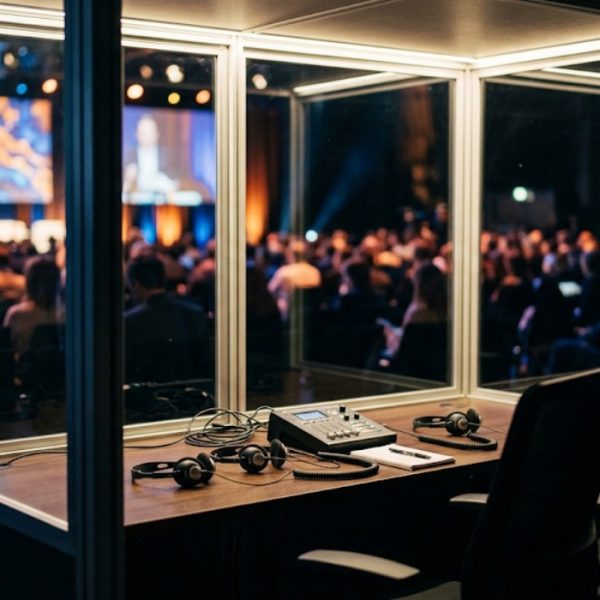
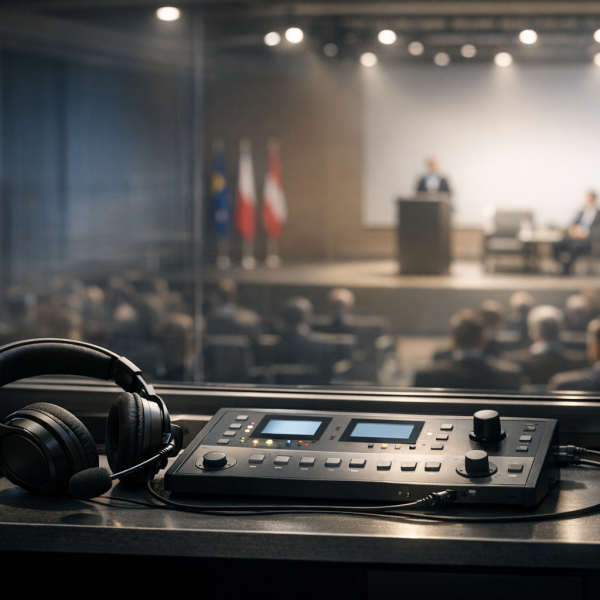
Short meetings with a small group suit remote interpreting well while a large conference with many speakers and several rooms usually benefits from interpreters who sit in a booth and hear the floor directly. Organisers who plan sessions for partners in Southeast Asia often combine the live service with Vietnamese translation services for the agenda and the slides so that delegates can follow the printed material while they listen to the interpreter.
Freelance interpreters usually bill by the day or by the half day and many of them now use an invoice maker to send a clear statement with the booking dates and the language pairs so that the organiser can approve payment quickly after the event.
Prepare the Documents for Every Language
Polish translation services are useful when a meeting includes delegates from Poland because the language changes word endings according to grammar and a name or a unit in the wrong form looks careless to people who read the details closely. Numbers also follow local habits for decimals and thousands and so a table that is correct in one country can be misread in another unless the format is adapted before the meeting.
Each language needs a short checklist that covers names and units and job titles so that nothing in the printed pack changes meaning from one language to another and Polish translation services should follow the same list as the interpreters. Vietnamese translation services follow the same method for delegates whose tone marks disappear when a font is wrong while Hungarian translation services and Czech translation services help organisers with guests from central Europe and a native reviewer can confirm that every sentence sounds natural to a professional in that country.
Give the Smaller Languages a Place in the Plan
Many organisers treat the Romanian language as a minor request even though Romania sends large delegations to trade fairs and technical meetings and many of those guests want to follow the programme in their own tongue. A meeting that offers the Romanian language in the printed pack and in the booth can reach guests who would otherwise depend on a rushed second hand summary. Our guide to the oldest languages shows how many of the tongues spoken today carry centuries of history and for a clear overview of the profession the language interpretation entry explains the main modes of the work.
The Romanian language also uses special letters that break in some fonts and on some slides so every slide and every badge should be tested at its final size and checked letter by letter before printing. Hungarian translation services and Czech translation services meet similar challenges with their own accented characters and the videotelephony entry shows how remote platforms carry sound and image between distant sites.
Keep One Glossary for the Whole Event
A short glossary of the terms that appear in nearly every session such as agenda and speaker and break and vote should be written before the next event so that every interpreter and every translator uses the same word for the same idea. Moderators and technicians and the person who organises the event can share it so that the message stays consistent in every language.
Reviewing the glossary after every event lets the team add the questions that guests actually asked and a reviewer who knows Vietnamese translation services and the Romanian language can update the list so that the words stay accurate and clear. Polish translation services and Hungarian translation services and Czech translation services can follow the same list and over time it becomes a small asset that the organiser can reuse for every new meeting and every new booking.
A meeting that says the same thing in every language protects the reputation of the people who organised it and that quiet accuracy is what lets an international event run without losing its meaning.