Global events bring together people from diverse linguistic and cultural backgrounds, and ensuring that every participant can follow discussions in real time is essential. Interpretation solutions help organizers make conferences more inclusive, productive, and engaging for all attendees, regardless of the language they speak. From high-level diplomatic summits to specialized industry forums, choosing the right language support can determine whether your event succeeds or falls short of expectations.
1. Simultaneous Interpretation for Real-Time Communication
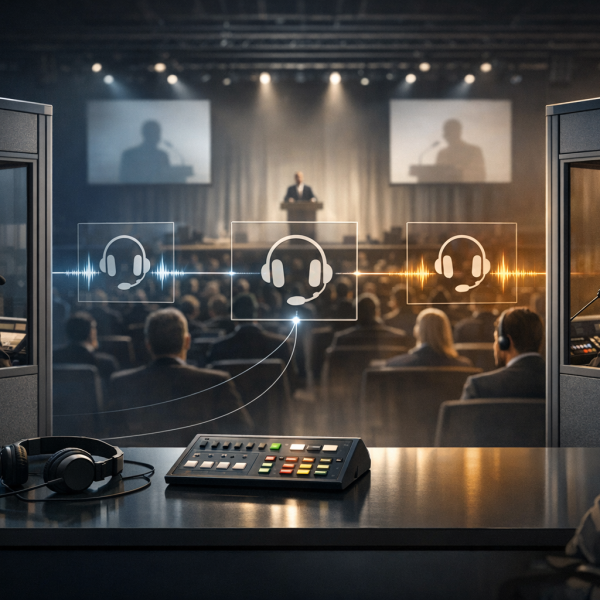
Simultaneous interpretation is the most common solution for large conferences and international conventions. In this setup, interpreters listen to the speaker through a headset and render the message into the target language in real time, usually from soundproof booths. Attendees select their preferred language via receivers or conference apps and hear the interpreted speech almost instantly.
This method keeps presentations flowing smoothly without frequent pauses, which is crucial when managing tight schedules or multiple keynote speakers. It is particularly effective for multilingual events with hundreds or thousands of participants. Organizers who expect audiences from various language groups often rely on simultaneous interpretation to deliver a seamless, professional experience, especially when highly technical topics or sensitive negotiations are involved. When language pairs involve high-demand combinations like english to spanish translation.
2. Consecutive Interpretation for Smaller Sessions
Consecutive interpretation is generally used in smaller conference rooms, workshops, interviews, and panel discussions. The speaker talks for a few sentences, then pauses while the interpreter delivers the message in the target language. This format can be highly effective when there is a need for clarity, nuance, or personal interaction.
Because the interpreter has time to take notes and structure the speech, consecutive interpretation often captures details, emotions, and specialized terminology very accurately. It is also ideal when only one or two languages are needed, or when the session includes Q&A segments where participants interact directly with presenters. However, organizers must account for extended session times, as every segment must be spoken twice.
3. Whispered Interpretation (Chuchotage) for VIP Guests
Whispered interpretation, or chuchotage, is a discreet service used when just one or a small number of participants do not speak the working language of the event. The interpreter sits or stands close to the listener and quietly interprets the ongoing speech in real time, without microphones or booths.
This option avoids major technical setup and is useful for board meetings, VIP delegations, or high-level side discussions that occur during a larger conference. It should be limited to a few listeners at a time to avoid disturbing nearby participants. While more intimate than traditional systems, whispered interpretation still requires highly trained professionals who can follow rapid presentations and render them accurately on the spot.
4. Remote Simultaneous Interpretation (RSI) for Hybrid and Online Events
With the growth of virtual and hybrid conferences, remote simultaneous interpretation has become a core solution. Interpreters work from remote hubs or home studios and connect to the event platform through secure software. Attendees choose their preferred language channel within the platform interface and listen in through their computers or mobile devices.
RSI dramatically expands access to top interpreters worldwide, even at short notice, and reduces travel and onsite equipment costs. It is ideal for webinars, global product launches, hybrid conferences, and events with rotating speakers from multiple regions. However, organizers must ensure robust internet connections, proper sound checks, and user-friendly interfaces so that language channels remain stable and easy to access.
5. Relay Interpretation for Multilingual Language Combinations
When a conference features numerous languages, relay interpretation offers a practical solution. In this setup, one interpreter works from the original speaker’s language into a widely understood intermediary language, often English or French. Other interpreters listen to that feed and interpret into their respective target languages.
Relay systems are common at international organizations and large associations where many different language pairs are required but not every combination is readily available. Although this process can introduce minimal delays and requires very experienced teams, it ensures that smaller language communities are fully included without the need for direct interpreters for every possible pairing.
6. Sign Language Interpretation for Accessibility and Inclusion
Accessible conferences must consider participants who are deaf or hard of hearing. Professional sign language interpreters provide real-time visual translation of spoken content into national or international sign languages, usually positioned on stage or displayed on screen for virtual events.
Event planners need to identify which sign language is required, such as American Sign Language, British Sign Language, or others, as they differ significantly. Providing adequate lighting, camera framing, and unobstructed views is also essential. Including sign language interpretation not only fulfills legal accessibility requirements in many regions but also demonstrates genuine commitment to inclusivity.
7. Tour-Guide and Portable Interpretation Systems for Site Visits
Some conferences include factory tours, outdoor activities, or mobile sessions where traditional booths and stationary equipment are impractical. In these cases, portable tour-guide systems are used: the interpreter speaks into a wireless microphone, and participants follow along with lightweight receivers and headphones as they move around.
These systems are ideal for technical visits, exhibitions, and breakout activities that require flexibility. They allow participants to hear explanations clearly even in noisy environments, while the interpreter can adjust to the pace and questions of the group. Proper planning is still necessary to manage battery life, backup equipment, and group sizes.
8. Interpreted Q&A and Networking Sessions
Many of the most valuable exchanges at conferences occur outside formal presentations, during Q&A segments, roundtables, or networking sessions. Dedicated interpreters can support these interactions either through microphones and receivers or via portable equipment, enabling participants to ask questions and engage in discussions regardless of language barriers.
Providing language support in these interactive spaces encourages broader participation, especially from attendees who might otherwise hesitate to speak up. It also helps sponsors, exhibitors, and speakers connect with international audiences more effectively, turning linguistic diversity into a genuine advantage rather than an obstacle.
Choosing the Right Interpretation Services for Your Event
Every conference has its own objectives, audience profile, and technical constraints, so there is no single solution that fits all situations. Simultaneous interpretation suits large plenary sessions, while consecutive and whispered services are better for smaller or more personal meetings. Remote solutions and tour-guide systems offer flexibility for hybrid or mobile activities, and sign language services ensure inclusion for all participants.
When planning your next event, start by identifying the languages, expected number of attendees, preferred formats, and accessibility requirements. Collaborating with specialized language service providers will help you select the right combination of interpretation options, secure qualified interpreters, and set up reliable technical infrastructure. With careful planning, language diversity becomes a strength that enriches content, broadens participation, and elevates the impact of your conference on a global scale.